



Blog
Healthy Drinking Water for Cats: A 24/7 Pure Guide
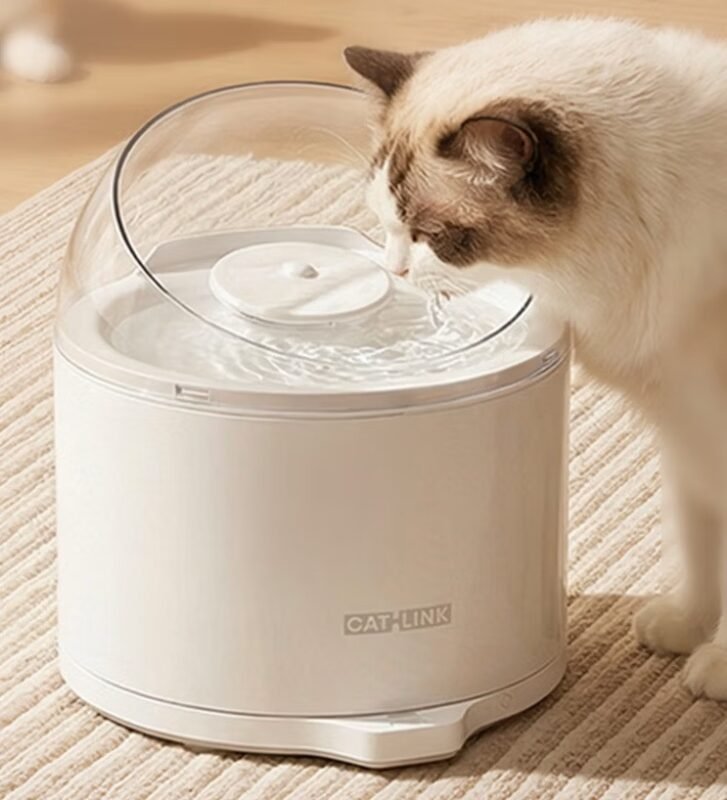
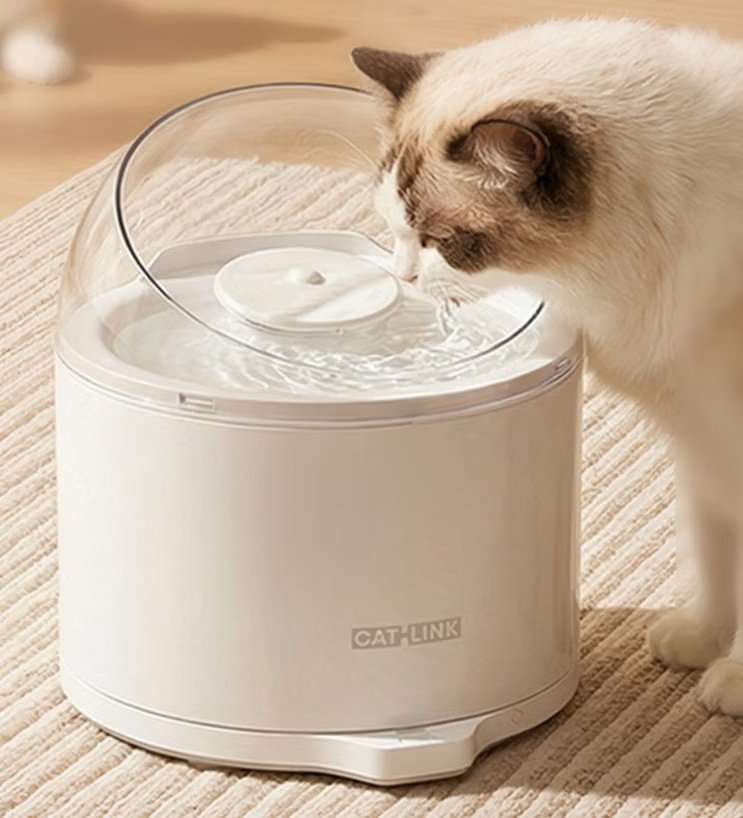
Why do cats prefer flowing water?
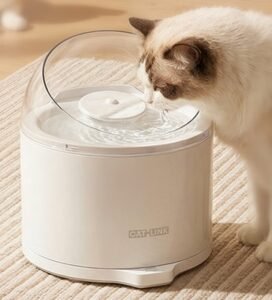
Cats are naturally inclined to choose water sources, and some breeds even have higher requirements for the texture of water. For example, cats whose ancestors lived in the wild were born with a strong desire to explore gurgling streams. If you also have a curious cat at home, you must have seen it try to move a water bowl with its paws! Experts point out that due to the suboptimal visual ability of cats to observe close range, flowing dynamic water makes it easier for them to focus.
Cats who like new things are particularly sensitive to water quality. Saliva, cat food residue, or scalp floating in a water bowl can quickly reduce water quality. In addition, traditional plastic water bowls are prone to scratches and the growth of biofilms, which are difficult to detect details that can make cats tired of drinking water, especially in hot summer or dry indoor environments.
If your cat stares at the water bowl for a while, then disdainfully wags its tail and walks away, leaving behind stagnant water covered in dust, you may have realized that getting these "picky little ones" to drink enough water is not an easy task!
We have all experienced this situation. Your cat lives a comfortable life, sunbathing on the windowsill and patrolling and playing on the cat climbing frame. Suddenly, you notice that its urine bulb has become smaller. Or it starts squatting frequently in the bathroom, waiting for you to turn on the faucet. You immediately start thinking about how to make it love drinking water and stay away from those annoying urinary system problems.
Cats not drinking enough water is not just picky eaters. According to senior pet experts, cats naturally prefer flowing water because in nature, flowing water means cleaner and safer. One of the most common mistakes pet owners make is ignoring the rapid growth of bacteria in a standing water bowl. Unclean or stagnant water sources can lead to a decrease in cats' enthusiasm for drinking water, and over time, may even cause dehydration, kidney pressure, or urinary system infections.
In this article, we will guide you on how to use an automatic water dispenser to help your cat regain the pleasure of drinking water, which features are most cat friendly, and how to prevent water disasters from happening again through technological means.
How to choose a suitable water dispenser for your cat
Before you decide to place an order, take some time to evaluate your cat's habits. Not all water feeders are suitable for every cat, the choice depends on the cat's personality and the home environment.
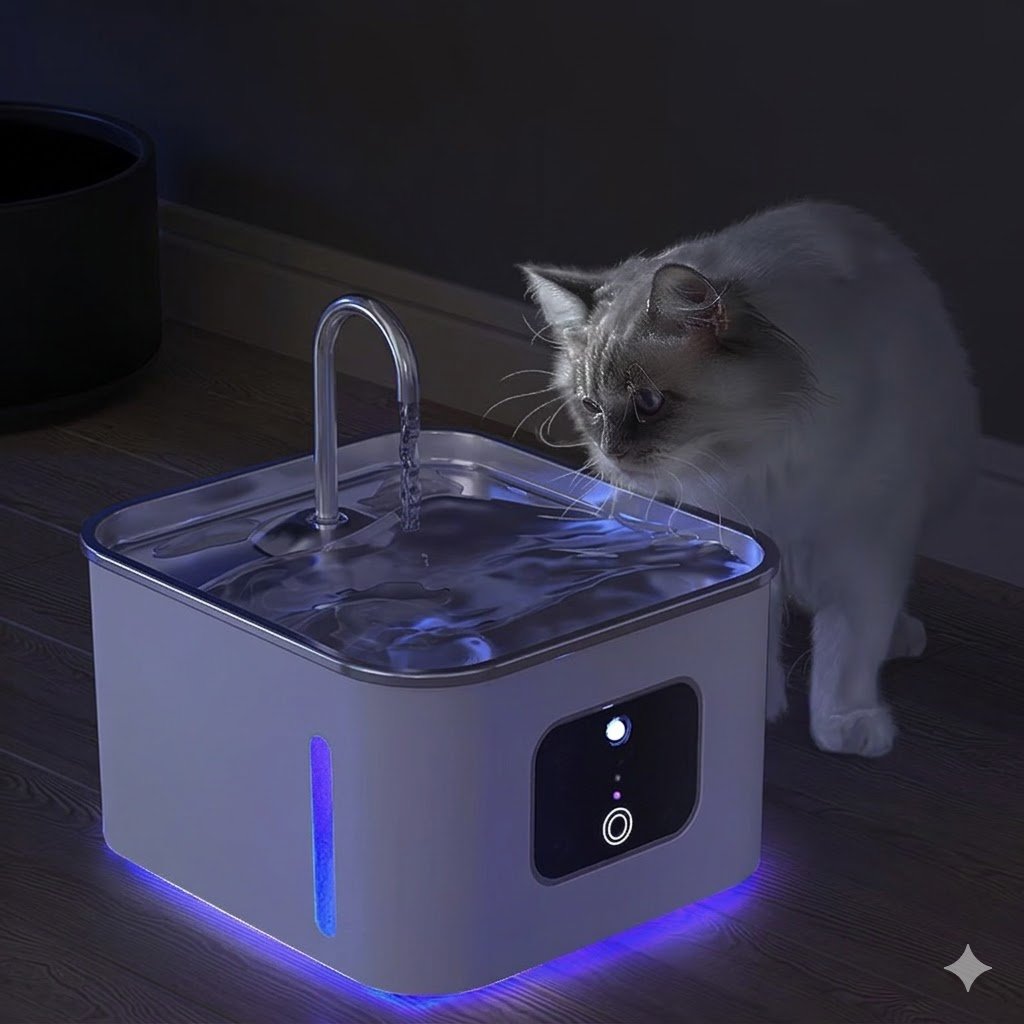
Firstly, observe the cat's drinking posture. If it likes to drink water directly from the faucet, then choosing a "fountain style" or "faucet style" water dispenser can allow it to enjoy this fun at home anytime. But if your cat is timid and easily scared by the sound of the motor, then choosing a super quiet and soft flowing water dispenser is crucial. Experts remind us that if the motor noise of the water dispenser exceeds the background noise, cats may avoid it. A responsible owner should choose a water dispenser that is easy to disassemble and has no cleaning dead corners, ensuring that the cat can drink clean and clear water every time.
Bestseller Products
It's not difficult to make cats fall in love with drinking water! The key is to follow their instincts, adopt appropriate filtration technology and silent design, and insist on regularly replacing filter cartridges to maintain the best condition of the water source. Remember, prevention is better than cure, and sufficient drinking water is very beneficial for preventing common urinary system diseases in cats.
Prepare suitable accessories
To maximize the effectiveness of the water feeder, you need to prepare the following supporting tools:
- Purified water or cold boiled water: Instead of relying on filter cartridges, it's better to start from the source. Directly adding purified water commonly consumed at home to the water feeder can greatly reduce the formation of scale and protect the water pump motor from blockage.
- Long handled cleaning brush and environmentally friendly descaling agent: They are your best helpers for keeping the water pump clean and avoiding the accumulation of scale. Long handled brushes can easily penetrate narrow water pipes, while natural descaling agents can safely remove residues inside the motor.
- Silent shock-absorbing pad: If you place the water dispenser on a hard floor, a silicone shock-absorbing pad can further absorb small vibrations, ensuring that it will not wake you up in the middle of the night or disturb sensitive cats.
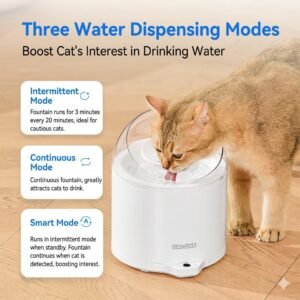
- Intelligent sensing module: Combined with infrared sensing, it allows the water dispenser to only start flowing when the cat approaches. This not only saves energy, but the sudden appearance of flowing water can also stimulate cats' curiosity.
Title text example
标题后的文本示例
这是文本文本,单击“编辑”按钮更改此文本。